
Revachol Uncovered The Citys History and Its Role in Disco Elysiums Story
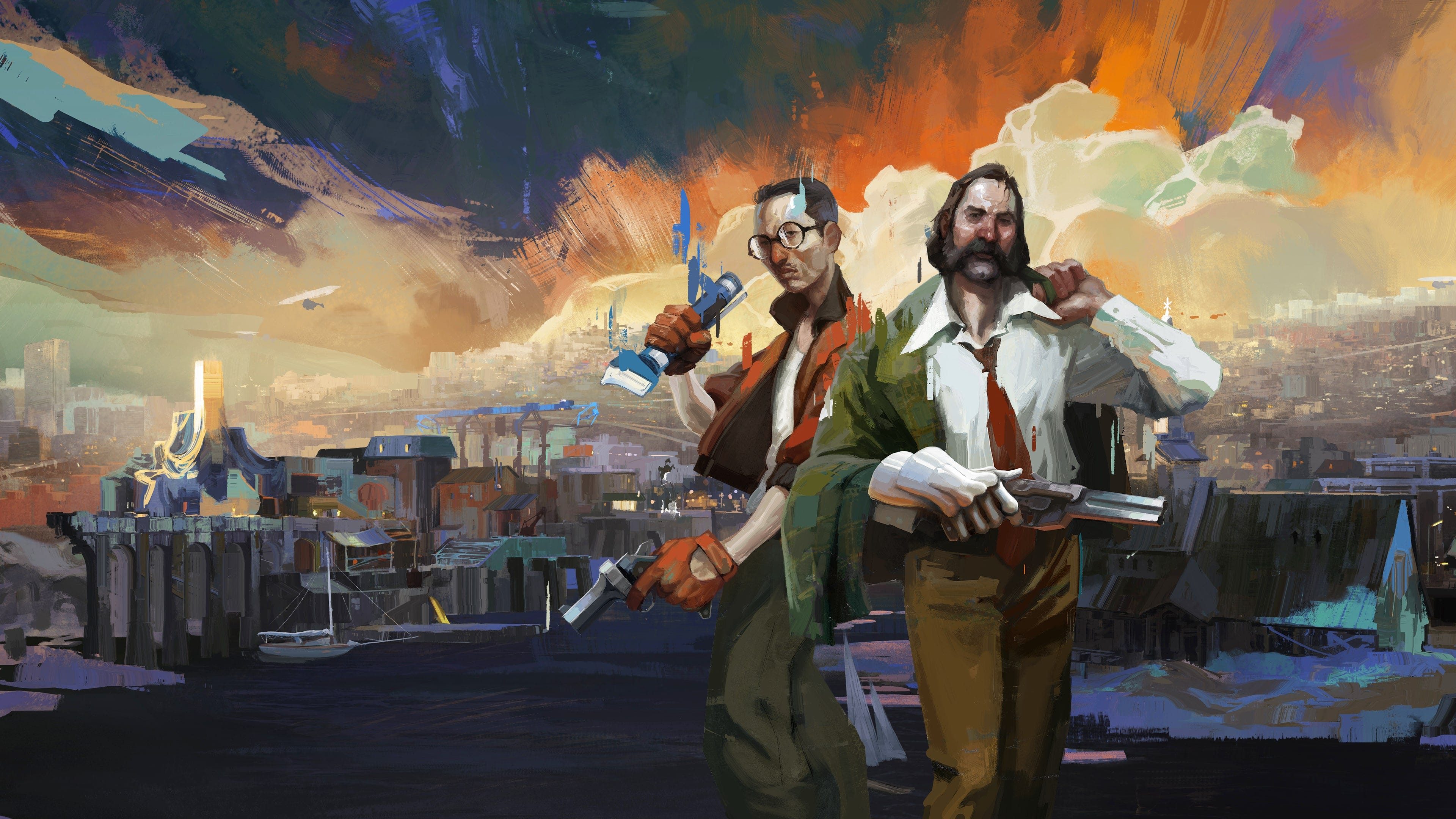
Revachol, the stunningly layered city that serves as the backdrop for the critically acclaimed role-playing game Disco Elysium, is a character in its own right. With rich historical textures woven through its streets, buildings, and narratives, Revachol tells a compelling story of ideological battles, socioeconomic struggles, and a complex cultural tapestry. As players navigate through the game, they don’t merely engage in a detective story; they engage with a living city steeped in history and nuance. Uncovering Revachol's past provides valuable insights into the game itself, revealing how much of its narrative depth is anchored in the city's historical context.
A Glimpse into Revachol's Historical Significance
Revachol has a storied history that speaks to its past grandeur and subsequent decline, reflecting real-world historical themes such as revolution and disillusionment. Once the epicenter of a thriving economy, the city eventually fell victim to a series of revolutions that left its social fabric torn and its infrastructure dilapidated. The socio-political turmoil, reminiscent of 20th-century European history, is not merely background noise; it is intricately woven into Disco Elysium’s narrative. The various districts within Revachol echo different ideologies and historical events, allowing players to explore themes of class struggle, political philosophies, and the quest for identity as they unravel the threads of a political mystery that looms large in the game.
The Cultural Impact of Revachol in Disco Elysium
Disco Elysium thrives on the notion that decisions and dialogue shape the game's outcomes. Revachol plays a pivotal role in this, as it houses a variety of cultural norms and philosophical debates that players can engage with. The design of the city, filled with crumbling edifices and graffiti-laden walls, serves as a tangible representation of a society grappling with its identity. Through character interactions, players glean insights into the broader implications of Revachol’s history, especially as it pertains to the game's protagonist, who is embroiled in a murder investigation while simultaneously navigating his own existential dilemmas. Each choice made within Revachol resonates, allowing the city to emerge not just as a setting but as a crucial player in the unfolding narrative.
Revachol and the Player's Experience
Players not only experience Revachol through the lens of the game's intuitive mechanics but also through its rich tapestry of dialogue and character arcs. The city’s decline is mirrored in the protagonist's fractured psyche, which is emblematic of the broader themes of loss and reclamation present in the game. The city encourages players to probe deeper into their surroundings, unveiling hidden stories while facing their inner dilemmas. Revachol facilitates a unique immersion, where the act of exploration—be it through investigating crime scenes or engaging with profound conversations—becomes a means of self-discovery as well as a way to grasp the intricacies of a city that has seen better days. This layered experience is what elevates Disco Elysium to a masterclass in narrative storytelling.
Collecting Disco Elysium Official Merchandise
The allure of Revachol has transcended the gaming experience, leading to a thriving community dedicated to collecting Disco Elysium Official Merchandise. From stylish apparel adorned with in-game references to collectibles that capture the essence of this unique city, fans can embrace a piece of Revachol's charm in their everyday lives. Owning merchandise not only serves as a reminder of the powerful narratives woven through the streets of the city but it also fosters a sense of belonging among fans who have traversed the emotional landscapes of Disco Elysium. By collecting these items, fans can celebrate their love for the game while continuing to delve deeper into the rich history and culture that Revachol epitomizes, ensuring that its story remains vividly alive beyond the screen.